

Palliative Care
Physicians usually recommend palliative care at the diagnosis of a serious, chronic or life-threatening illness. It is designed to improve the quality of life of patients and help them manage their disease or illness. Our person-centered approach can help those living with congestive heart failure, cancer, dementia, as well as many other diseases and chronic conditions.
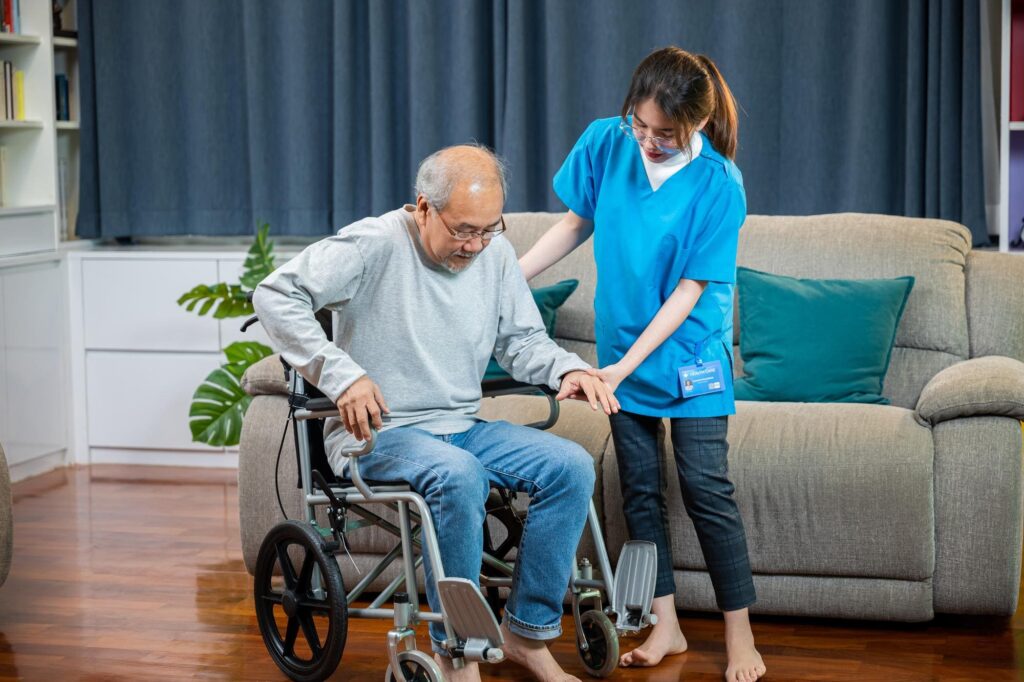
Palliative Care for Seniors in Their Homes
There are so many options available to those in palliative care, from emotional and spiritual counseling to relieving pain to ongoing physician visits and treatments. Right at Home can support you or your loved one at home by providing help with medication reminders, transportation to appointments, meal preparation and running errands. Our trusted caregivers are there for much needed companionship as well as respite care so family members can take time to care for themselves.
In addition to respite care and companion care, we also provide personal care in many areas. This includes:
Bathing and showering assistance
Bed baths
Grooming
Oral hygiene
Toilet and incontinence care
Palliative care is specialized support designed for individuals living with serious or chronic illnesses. Its main goal is to improve comfort, reduce pain, and enhance overall quality of life. People diagnosed with conditions such as cancer, heart failure, dementia, or other long-term illnesses can benefit from palliative care. This type of care focuses on both physical and emotional well-being. It also supports families who are caring for their loved ones. With the right care plan, individuals can continue living comfortably in their own homes.
In-home palliative care includes a variety of services that support both medical and daily living needs. Caregivers can assist with personal care tasks such as bathing, grooming, oral hygiene, and toileting. They may also help with meal preparation, medication reminders, and light household tasks. Transportation to medical appointments and running errands are also common services. In addition, caregivers provide companionship and emotional support. These services help create a safe, comfortable, and supportive environment at home.
Caring for someone with a serious illness can be physically and emotionally overwhelming. Palliative care services provide respite for family caregivers by sharing caregiving responsibilities. Professional caregivers can assist with daily activities, personal care, and companionship. This allows family members to take breaks, manage their own responsibilities, and reduce stress. Having extra support also ensures the patient continues receiving consistent and compassionate care. Ultimately, it helps maintain balance and well-being for the entire family.
Yes, palliative care can be effectively provided in the comfort of a person’s home. Many individuals prefer to remain in a familiar environment while receiving care. In-home caregivers assist with daily routines, comfort care, and emotional support. They also help coordinate with healthcare professionals and family members when needed. This approach allows patients to maintain independence while receiving the support they need. Home-based palliative care often leads to a more relaxed and personalized care experience.